All Categories
Featured
Table of Contents
The Web of Things links physical gadgets to digital platforms, and it keeps expanding into industries that once operated completely offline. Sensing units, smart meters, and linked makers now feed continuous real-time information into service systems. This provides operations groups a clearer, faster view of what is happening on the ground.
When your machines and centers report their own status continually, you make decisions based upon truths instead of uncertainty. As IoT networks grow, sending out every piece of data to a main server before acting upon it produces undesirable delays. Edge computing fixes this by processing data at or near the point where it is generated.
In 2026, it is a vital layer in any serious real-time operation. Not every company has a large designer group. Need for software application, nevertheless, keeps growing. Low-code and no-code platforms bridge this space by letting non-technical groups develop practical applications using visual tools and pre-built components. How low-code changes the pace of work: Company experts develop custom-made apps in days, not monthsDevelopment teams model much faster and spend deep engineering effort where it countsOrganizations decrease dependence on single designers for every single changeNew tools reach workers and customers far soonerLow-code does not change specialist software application development.
Essential Tips for Leading Complex Tech Transformation
Digital improvement is not a project. It is not something you complete and after that proceed from. In 2026, the most durable companies treat it as a permanent operating mode. Consumer expectations keep rising. Individuals want quick service, smooth digital experiences, and responses that feel individual. Satisfying those expectations needs systems that progress continually, not infrastructure that sits unchanged up until it breaks.
Every business generates data. In 2026, the distinction between high-performing organizations and typical ones typically comes down to how well they use it.
Investing in clean data infrastructure and clear dashboards pays dividends across every organization function. As businesses scale, generic platforms progressively stop fitting the way real work occurs.
Smart Infrastructure for Next-Gen Digital SuccessCloud Computing Strategies for Global Enterprise Hubs
off-the-shelf: a direct comparisonFactorOff-the-Shelf SoftwareCustom SoftwareInitial CostLower upfrontHigher in advance investmentLong-Term CostRecurring licenses plus workaroundsLower over time, no license dependencyFit to Your ProcessRequires adapting your workflowsBuilt precisely around your workflowsScalabilityLimited by vendor's roadmapScales specifically with your needsIntegrationOften limited or expensive to extendDesigned to get in touch with your systemsData ControlShared or vendor-managed environmentsFull ownership and controlStrategic ValueGeneric, duplicated by competitorsUnique, becomes a company assetCustom software application is constructed to match how your organization in fact operates.
Smart Infrastructure for Next-Gen Digital Success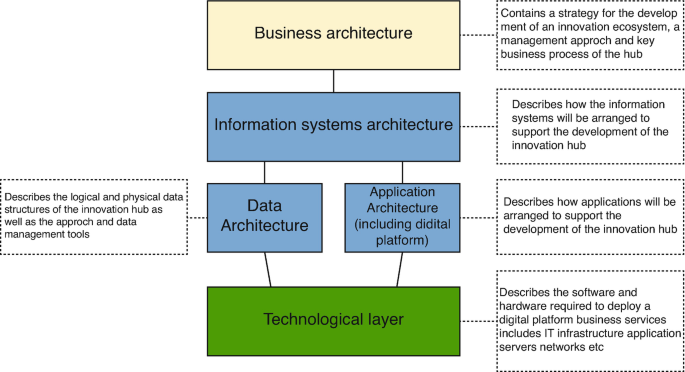
For leaders preparing three to 5 years ahead, customized software application is a strategic financial investment that delivers intensifying returns. Each one is about developing an organization that runs smarter, stays safeguarded, and grows without hitting unneeded limitations.
They will recognize which technologies align with their essential objectives, relocation with purpose, and work with partners who comprehend both the technology and the organization challenge behind it. That positioning is what turns trends into real, measurable benefit. At, we work with business leaders to develop protected, scalable, and practical digital services tailored to real organizational needs.
The future belongs to those who prepare for it. Let us develop yours together. In 2026, the takeaway for service leaders is apparent: technology is no longer an assistance function, it is business. The merging of AI automation, advanced analytics, and custom software isn't just about keeping up; it is about widening the gap in between market leaders and everyone else.
The future belongs to companies that deal with digital change not as a single milestone, but as a constant discipline. Does my organization requirement to embrace all 10 trends at the same time to remain competitive?
Future of Enterprise R&D for 2026
Focus first on fundamental trends that directly affect your instant bottleneckssuch as AI automation for lowering overhead or cloud computing for scalabilityand expand from there. While off-the-shelf software has lower in advance costs, it typically forces you to change your organization procedures to fit the supplier's design.

Latest Posts
Will AI Reshape Enterprise Transformation by 2026?
Scaling Cloud-Native Enterprise Hubs for 2026
Building Robust Smart Hubs for 2026